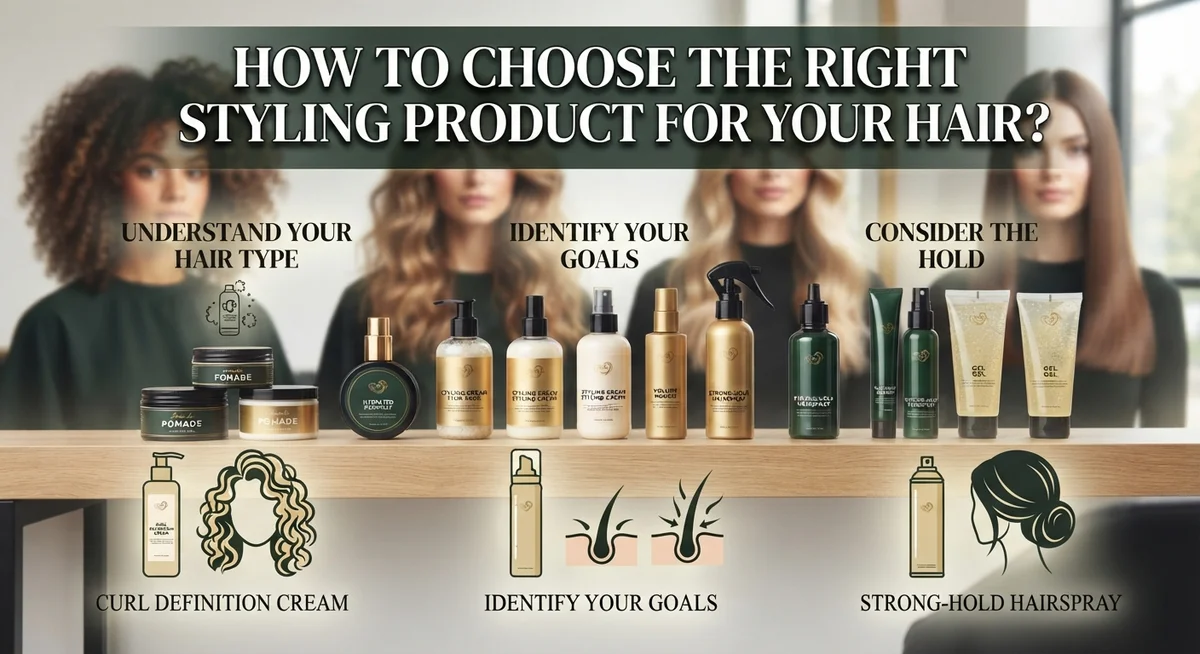
How to Choose the Right Styling Product for Your Hair?
Have you ever grabbed a random tub of styling product and hoped for the best? Many people do this every day.
The result is often flat hair, greasy roots, or a style that falls apart by noon. Your hair deserves better than guesswork.
Choosing the right styling product is not about luck. It comes down to understanding your hair type and your desired look.
Thick hair needs different care than fine hair. Curly styles require different products than sleek, slick looks.
This guide will help you make sense of it all. We will walk through how to identify your hair type first.
Then we will explore common product types like gels, pomades, waxes, and hairsprays. You will learn what each one does best.
We will also cover simple application steps that actually work. Plus, we will point out common mistakes that damage hair or ruin your style.
By the end, you will feel confident picking products that match your hair and your goals. No more guessing. Just better hair days, starting now.
In a Nutshell
Picking the perfect styling product does not need to feel confusing. Here is a quick summary to keep in mind.
-
Know your hair type first. Thick, fine, wavy, or short hair all react differently to products. This step guides every other choice you make.
-
Decide on your desired look. Do you want a matte finish, a slick style, or defined curls? Your goal determines which product suits you best.
-
Match hold strength to your needs. Gels offer high hold and shine. Pomades and waxes give softer, more flexible control.
-
Follow the hydrate, apply, style routine. Always start with a hydrating product after washing your hair. Then apply your styling product and shape your look.
-
Start small and build up. Use a fingertip or coin sized amount first. You can always add more if needed.
-
Choose sulfate free formulas. These protect your hair’s natural moisture and prevent dryness over time.
Keep these points handy. They make choosing the right product much simpler.
Understanding Your Hair Type and Texture
Your hair type and texture are the foundation of choosing the right styling product. Understanding these basics helps you avoid wasting money on products that won’t work for you.
Hair thickness varies widely from person to person. Thick hair has more strands packed together, so it needs products with stronger hold and better weight management. Fine hair, on the other hand, requires lightweight formulas that won’t flatten or weigh it down. If you have thin hair, heavy products can make it look limp and lifeless.
Texture also matters significantly. Straight hair behaves differently than wavy, curly, or coily hair. Curly and coily textures need products that define waves and fight frizz. Straight hair typically benefits from products that add shine or create texture without disrupting the natural pattern.
Your hair’s moisture level is equally important. Dry hair needs hydrating products that won’t strip away natural oils. Oily hair requires lightweight formulas that won’t add extra grease. Normal hair can handle a wider range of products.
Consider your hair length too. Short hair needs less product overall, while long hair requires formulas that provide hold without stiffness. Very long hair benefits from products that maintain movement and flexibility.
The best way to identify your hair type is to observe how your hair behaves naturally. Does it get oily quickly? Does it feel dry and brittle? Does it hold a style easily or fall flat? Does frizz appear in humid weather? These observations guide your product selection.
Once you understand your specific hair type and texture, you can match products to your needs. This knowledge prevents frustration and helps you build an effective styling routine that actually works for your unique hair.
Defining Your Desired Style and Finish
Your desired style and finish shape every product choice you make. Before you pick anything off a shelf, you need to know exactly what you want your hair to look like.
Matte finishes create a natural, textured appearance. This style works well for casual looks and everyday wear. Matte products absorb light rather than reflect it, giving hair a softer appearance.
Slick finishes offer shine and polish. Your hair looks wet or groomed when you choose this option. Slick styles work best for formal events or professional settings.
Curly or textured finishes define waves and coils. These finishes add dimension and hold shape throughout the day. They work especially well for naturally wavy or curly hair types.
Volume and lift matter too. Do you want hair that stands tall at the roots, or do you prefer a flatter, sleeker look? High volume products work differently than those designed for smoothness.
Frizz control is another key consideration. If humidity affects your hair badly, you need products that tame flyaways and keep strands smooth.
Think about how long your style needs to last. Quick morning styles require different products than looks that must hold through a full workday or evening event.
Write down your answers to these questions: What finish appeals to you most? Do you want shine or a natural look? How much hold do you need? Will you style your hair wet or dry?
Once you answer these questions clearly, matching products becomes much easier. Your desired style acts as a guide that points you toward the right product type and formula.
Breaking Down Styling Product Types: Gel, Pomade, Wax, and Hairspray
Gels work best when you want strong hold and glossy shine. They create a hard texture that locks your hair in place all day. Gels work well for slicked back styles or structured looks. The downside is they can feel stiff and sometimes flake as they dry.
Pomades offer medium to high hold with a smoother finish than gel. They create shine without the hard, crunchy feel. Pomades work great for classic styles that need polish. They blend easily into your hair and feel more natural against your scalp.
Waxes give you flexible hold with a matte or semi matte appearance. They add texture and separation to your strands without looking wet or shiny. Waxes work perfectly for messy, textured, or tousled styles. You can restyle your hair throughout the day without reapplying.
Hairsprays lock in your finished style and provide extra hold. They work as a final step after you’ve styled with another product. Hairsprays add minimal weight and won’t make your hair feel heavy. Light hairsprays offer flexible hold while strong formulas provide maximum control.
Each product type serves a different purpose based on your hair and style goals. Gels suit thick hair and slicked styles. Pomades work for classic, polished looks. Waxes fit textured, casual styles. Hairsprays finish any style with extra security.
Start by matching your desired finish to the product type. Want shine? Try gel or pomade. Prefer matte texture? Choose wax. Need final security? Add hairspray. Consider your hair thickness too. Fine hair needs lighter products that won’t weigh it down. Thick hair handles heavier formulas better.
Matching Hold Strength and Shine Level to Your Needs
Hold strength and shine level are two critical factors that determine whether a styling product works for you. Understanding these properties helps you find products that match your specific needs.
Hold strength refers to how firmly a product keeps your hair in place. Light hold works best for loose waves or casual styles. Medium hold suits everyday looks that need some structure. Strong hold locks hairstyles in place all day, even with movement or humidity. Extra strong hold is ideal for intricate styles or special occasions.
Your lifestyle matters here. If you work in a humid environment, you need stronger hold. If you prefer a relaxed, natural look, light or medium hold is better. Consider how active you are too. Athletes and outdoor workers benefit from stronger hold products.
Shine level affects your overall appearance. High shine creates a polished, sleek look. This works well for slicked back styles or formal occasions. Medium shine offers a balanced appearance that looks put together without being too glossy. Matte finishes provide a natural, textured look. Many people prefer matte for everyday wear because it looks less processed.
Your hair type influences both properties. Fine hair often needs lighter hold and less product to avoid looking weighed down. Thick hair can handle stronger hold and more shine. Curly hair typically benefits from medium hold with minimal shine to prevent frizz.
Test products gradually. Start with light to medium hold and low shine. Add strength or shine only if needed. This approach prevents overloading your hair with product. Write down what works and what doesn’t. This helps you identify patterns in what your hair responds to best.
The Three-Stage Styling Process: Hydrate, Apply, Style
The three stage styling process works like a system. Each stage builds on the previous one to create a polished final result. Understanding these stages helps you use products more effectively and achieve better outcomes.
Hydrate is your first step. After you shower, your hair is clean but often dry. Apply a hydrating product to damp hair while it still has moisture. This could be a leave in conditioner, hair oil, or hydrating cream. These products seal moisture into your hair shaft. They prevent your styling products from drying out your strands further. Hydration makes your hair more flexible and easier to style.
Apply comes next. Once your hair is hydrated and partially dried, you apply your chosen styling product. Use a small amount first, like a fingertip or 50p coin size. Work it through your hair evenly with your fingers or a comb. Start from the roots and move toward the ends. Add more product only if you need it. Too much product weighs hair down and looks greasy. The right amount gives you control without heaviness.
Style is your final stage. With product in place, shape your hair into your desired look. Use your fingers, a brush, or a comb depending on your style. Let the product set as it dries. Some products dry quickly while others take longer. This is when you see the final hold, shine, and texture come together.
Following these three stages consistently gives you better control over your styling results. You use less product overall. Your hair stays healthier because you’re not overloading it with styling products. This process works for most hair types and styling goals.
Application Tips for Best Results
When you apply styling products, timing and technique make all the difference. Start with clean, damp hair right after your shower. Your hair absorbs products better when it still has moisture.
Use your fingers to measure the right amount. A fingertip dab or 50p coin size works for most hair types. Many people apply too much product at once, which creates buildup and weighs hair down.
Warm the product in your palms first. Rub it between your hands for a few seconds before touching your hair. This step helps the product spread evenly and penetrate better.
Apply from roots to ends, but adjust based on your style. For volume, focus on the roots and work upward. For slicked styles, start at the front and smooth backward.
Work through small sections rather than your entire head at once. This gives you better control and ensures even coverage. Use a comb or brush after applying to distribute the product throughout.
Don’t apply more product immediately if results disappoint you. Instead, add water to your hair and reapply. This reactivates the product and often improves your style.
Let your hair dry naturally or use heat styling tools after application. Some products work better with blow drying, while others set without heat.
Wash your hands thoroughly after styling. Product residue on your hands can transfer to your face and cause irritation.
Practice your technique a few times. Your first attempt might not be perfect, and that’s completely normal. Once you find your rhythm, applying styling products becomes quick and easy.
Common Mistakes to Avoid When Choosing Styling Products
Many people choose styling products without thinking about their hair type first. This is a major mistake. Your hair texture determines which product will actually work for you. Fine hair needs lightweight formulas, while thick hair can handle heavier products.
Applying too much product is another common error. Most people use double or triple the amount they actually need. Start with a small amount, about the size of a fingertip or a 50p coin. You can always add more, but removing excess product wastes time and money.
Using products with harsh chemicals damages your hair over time. Sulfates strip away natural moisture from your scalp and strands. This leaves your hair dry, brittle, and difficult to style. Look for sulfate free formulas to keep your hair healthy and hydrated.
Not matching your desired finish to the product type causes frustration. If you want a matte look but use gel, you’ll get shine instead. Think about your style goal first, then pick the right product for that finish.
Ignoring your lifestyle is another mistake people make. If you’re active or work in humid environments, you need stronger hold. If you work indoors in controlled conditions, lighter hold works fine.
Skipping the hydration step weakens your styling results. Dry hair doesn’t hold products well and looks frizzy. Always apply a hydrating product right after showering, before any styling products.
Testing products on damp hair instead of the hair state you’ll actually style in creates disappointment. Practice your routine the same way every time. This helps you understand how products perform in your real conditions, not just in ideal situations.
Troubleshooting Common Styling Product Issues
When styling product problems pop up, you need to know what’s actually going wrong. The most common issue is product buildup on your scalp and hair shaft. This happens when you use too much product or don’t wash it out completely between styling sessions.
Buildup causes several problems. Your hair feels heavy and greasy even after washing. Styling products stop working as effectively because they can’t grip clean hair properly. Your scalp may feel itchy or uncomfortable. To fix this, wash your hair more frequently with a gentle cleanser. Consider doing a clarifying wash once weekly to remove stubborn residue.
Another frequent problem is product flaking or crumbling in your hair. This occurs when the product dries too much or when you apply it to completely dry hair. The solution is simple: apply styling products to damp hair instead. Damp hair absorbs products better and prevents visible flakes throughout the day.
Stiffness and crunchiness indicate you’re using too much product or the wrong formula for your hair type. Start with less product than you think you need. A fingertip amount often goes further than expected once warmed between your palms.
If your hair looks limp or weighed down, the product isn’t right for your texture. Fine hair needs lighter formulas with minimal hold. Thicker hair can handle heavier products without losing volume.
Uneven styling results mean you’re not distributing product consistently. Work through small sections methodically rather than applying everything at once. This ensures every strand gets the same amount of product.
Finally, if your hair feels dry or brittle after styling, use sulfate free formulas. Harsh chemicals strip natural moisture from your hair, making it vulnerable to damage and breakage over time.
Final Thoughts
Choosing the right styling product does not need to feel complicated. Once you know your hair type and desired finish, the rest falls into place naturally.
Start simple. Identify whether your hair is thick, fine, wavy, or straight. This single step guides every other decision you make.
Think about the result you want. Do you prefer a matte look, a slick style, or defined curls? Your answer points you toward the right product category.
Gel offers high hold and shine, while pomades and waxes give softer texture and flexible hold. Hairspray works well for setting styles in place without added weight.
Remember the three stage process. Hydrate your hair first, apply a small amount of product, then style as desired. Skipping steps often leads to disappointing results.
Always start with less product than you think you need. A small amount, roughly the size of a coin, works better than a handful applied all at once.
Avoid harsh chemicals whenever possible. Sulfate free formulas protect your hair moisture and keep strands healthy over time.
Pay attention to how your hair responds. If it feels stiff, greasy, or flaky, something needs adjusting. Trust these signals and change your approach.
Your hair type may shift with seasons, treatments, or age. Stay flexible and willing to try new products as your needs evolve.
The right styling product should feel effortless once you find your match. Small changes in technique or product choice often bring big improvements.
Take your time experimenting until you find what suits your hair best. Good styling comes from understanding your hair, not from following one strict rule.
Frequently Asked Questions
What’s the difference between gel and pomade for styling?
Gel provides high hold and high shine. It creates a hard, dry texture that locks your style in place all day. Pomade offers a softer feel with flexible hold. Your hair stays movable and has a smoother appearance. Choose gel if you want maximum control. Pick pomade if you prefer a more natural look with some movement.
How much product should I use each time?
Start with a small amount, about the size of a fingertip or a 50p coin. Rub it between your palms first, then apply to your hair. You can always add more if needed. Using too much product is a common mistake that leads to stiffness and buildup. Less product gives you better control and a cleaner result.
Should I apply styling products to wet or dry hair?
Apply styling products to damp hair after showering. Start with a hydrating product first to prepare your hair. This three stage process works best: hydrate, apply product, then style. Damp hair accepts product better than completely wet or bone dry hair. This approach gives you the most control over your final look.
Why does my hair feel heavy after using styling products?
Heavy, weighed down hair usually means the product doesn’t match your hair texture. Fine hair needs lighter formulas with less hold. Thick hair can handle stronger products. Another reason is using too much product overall. Check for buildup from previous applications. Switch to sulfate free formulas to prevent moisture loss, which makes hair feel heavier over time.

David is the founder and editor of GroomingFinds.com, where he combines years of personal grooming experience with in-depth product research to help men find the best grooming tools and products for their needs. When he’s not testing the latest trimmers, razors, and skincare products, he’s busy writing honest, no-nonsense reviews and buying guides that readers can actually trust.